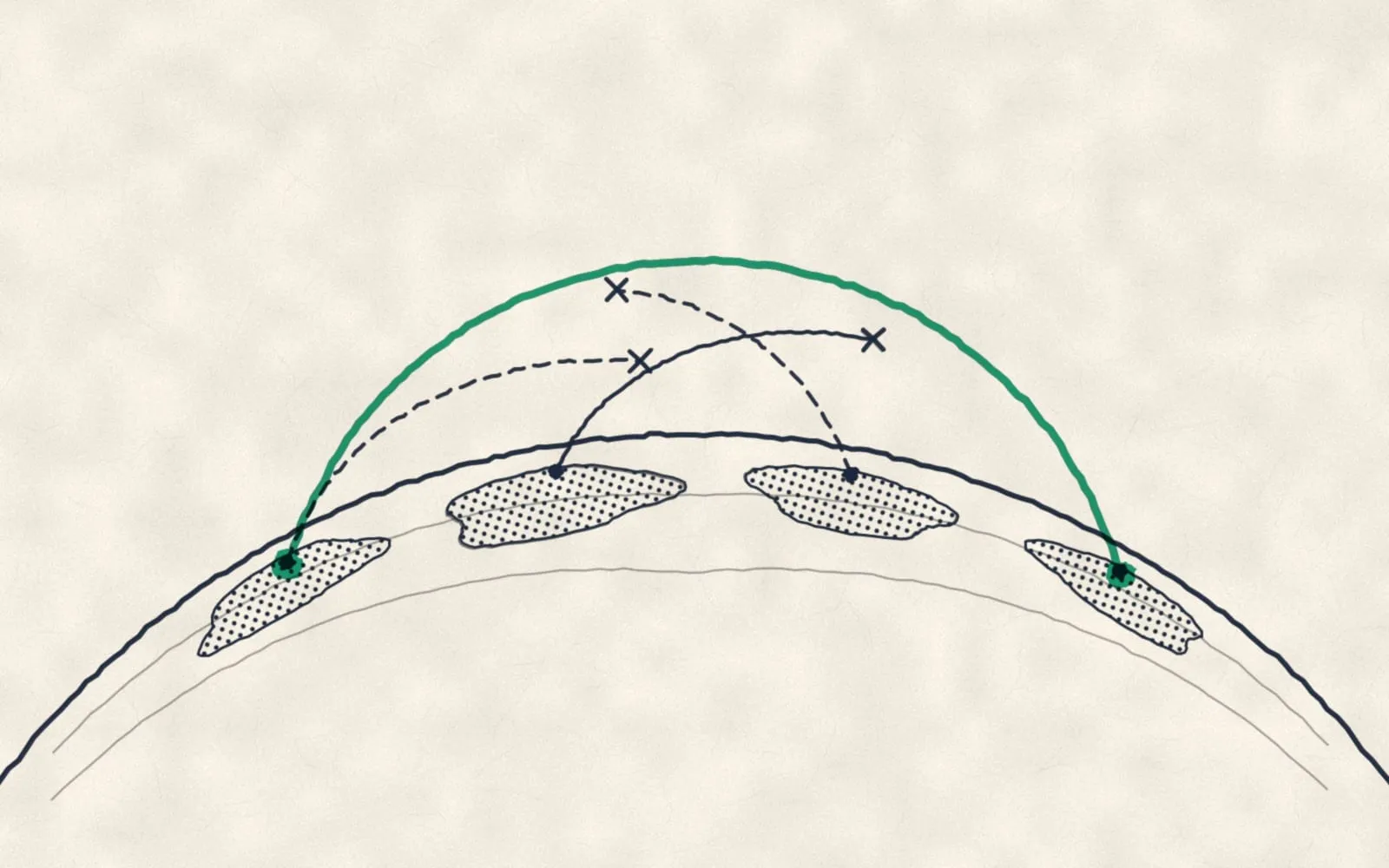
The global payments ecosystem is undergoing a fundamental structural transformation. Driven by the rapid expansion of blockchain technology, fiat-backed stablecoins, and tokenized real-world assets, financial institutions now have access to a broader variety of value-transfer channels than ever before.
The Vision: Frictionless 24/7 Global Money Movement
In theory, this digital expansion promises a frictionless global economy where payments settle instantly, operating costs drop near zero, and 24/7 liquidity moves seamlessly across borders. Research published by the Bank for International Settlements (BIS) CPMI (Committee on Payments and Market Infrastructures) highlights that next-generation payment systems and tokenized networks offer unprecedented opportunities for automated payment pre-validation, reduced correspondent overhead, and continuous operational availability. The elimination of multi-bank correspondent chains and the rise of automated programmability offer a compelling vision for the future of global commerce.
The Reality: Navigating a Multipolar Settlement Landscape
In reality, however, this rapid evolution has introduced unprecedented fragmentation and operational complexity. With total cross-border payment flows projected to reach $183 trillion by 2027 according to McKinsey & Company, value movement is splitting across a multipolar network of parallel systems. Financial institutions must now manage legacy rails, alongside competing public ledgers, permissioned blockchain networks, tokenized deposit platforms, and distinct regional digital currencies.
As detailed in research by the Financial Stability Board (FSB), structural dependencies on multi-bank correspondent chains, incomplete data standards, and fragmented regulatory compliance remain major sources of friction. When cross-border transactions stall, obtaining answers across disparate ledgers and legacy databases often takes 10 to 30 days, locking up millions in capital and creating severe back-office operational overhead.
The Qterra Layer: Real-Time Contextual Coordination
Fortunately, by introducing an intelligent contextual and coordination management layer above existing rails, Qterra bridges the gap where internal bank systems stop, and eliminates the friction.
Using context-aware AI agents and a privacy-first, governed data architecture, Qterra enables banks, fintechs, and digital asset platforms to securely communicate and clear compliance and operational holds in real time. Instead of waiting weeks for missing transaction details, institutions can resolve queries automatically, cutting resolution times from weeks down to minutes, slashing back-office costs by over 70%, and turning a fragmented multi-rail world into a unified network of trust.